Do you need AI, or just a better spreadsheet?
AI is genuinely useful for some problems and an expensive detour for others. A simple way to tell which kind you have.
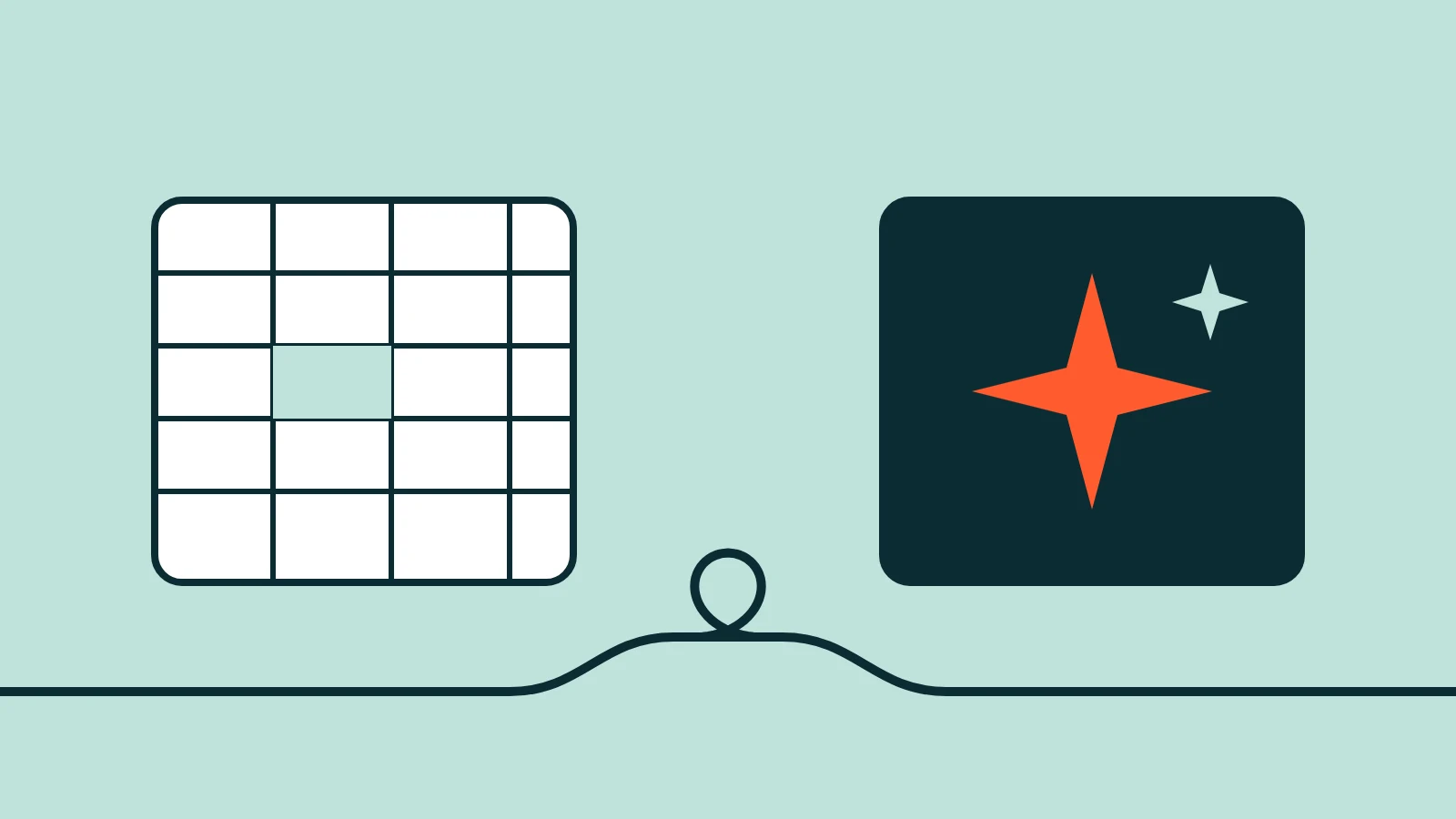
Every week someone asks us whether they should "add AI". It is a fair question, and sometimes the honest answer is no. Not because AI isn't useful, but because the problem in front of them would be solved faster and more cheaply by something simpler.
Here is the rough test we use.
When AI is a good fit
AI earns its place when the task involves judgement over messy input, done many times, where a person currently does it by hand. For example:
- Reading documents such as invoices, contracts or delivery notes, and pulling out the fields you need.
- Answering repeated questions from customers or staff, using your own policies and manuals as the source.
- Sorting and routing incoming requests: which department, how urgent, what's missing.
- Drafting first versions of routine replies or reports that a person then checks.
In each case the input varies, the rules are fuzzy, and a person can tell a good result from a bad one at a glance. That last part matters: it means you can measure whether the AI is helping.
When something simpler wins
AI is the wrong tool when the problem is really about structure:
- The data is in the wrong place. If people re-type numbers between two systems, the fix is to connect the systems, not to have AI copy them.
- The rules are clear. "If the amount is over a limit, ask a manager" is a rule. A rule should be written as a rule, which is cheaper, faster and never surprising.
- Nobody agrees what correct looks like. If two people would give different answers, AI will happily give a third. Agree on the answer first.
- It happens rarely. A task done twice a month rarely repays the effort of automating it with anything.
Three questions to ask first
- How often does this happen? Daily and repetitive is promising; occasional is usually not.
- Can a person check the result quickly? If yes, you can start with AI suggesting and a person approving, then trust it more over time.
- What does it cost when it's wrong? A slightly off draft email is cheap. A wrong payment is not. Match the level of automation to the cost of mistakes.
A sensible way to start
Pick one workflow. Collect real examples of it, including the awkward ones. Agree how you will measure success, such as time saved per item or errors caught. Run a small pilot where the AI suggests and people decide. Then look at the numbers before going further.
If the pilot doesn't beat the old way, stop. That's a good result too: you learned it cheaply.
Use AI for the judgement-heavy, repetitive parts. Use plain software for structure. Use people for decisions that matter.
Often the best answer is a mix: a well-structured system that holds the data, with AI handling the one or two steps that used to eat everyone's time.
More from the blog
Why your team stopped trusting the dashboard
Dashboards lose trust through stale data, unclear definitions and no owner. Here are the small fixes that win it back.
 Umar Uzman
The AI agent security question nobody asks until it goes wrong
Before an AI assistant gets access to your email and files, ask five plain questions. A checklist for owners and managers.
Umar UzmanThe strange history of the "bug": 5 software myths that cost businesses money
From a famous moth to a lost spacecraft: five software stories and myths, and the one lesson each holds for anyone buying or running software.
Umar Uzman